Solar Installation in Lahore: A 2026 Homeowner’s Roadmap
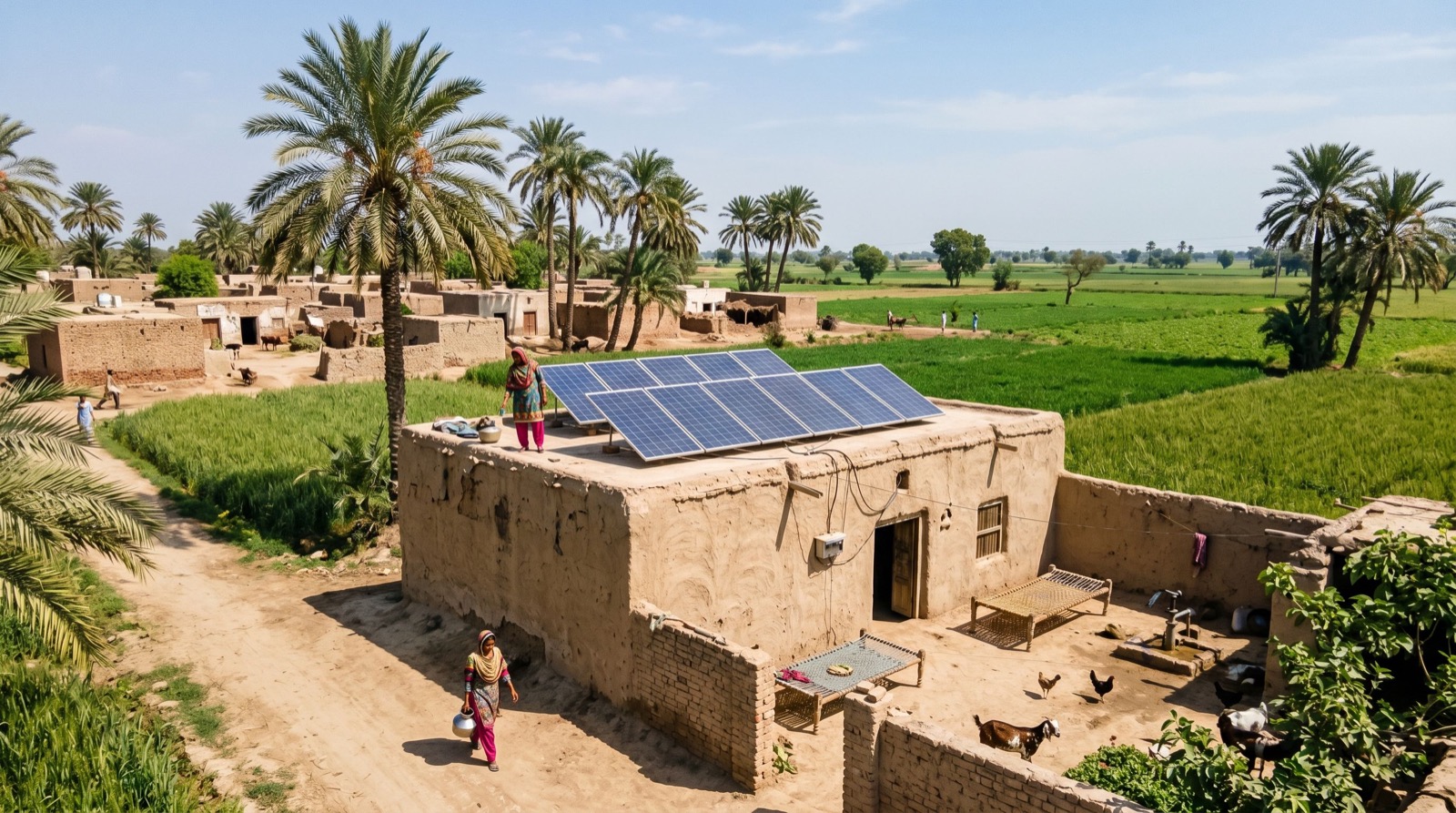
Rising electricity tariffs and long load-shedding spells have pushed thousands of families toward clean power, and a professional solar installation in Lahore is now one of the smartest upgrades a household can make in 2026. With net metering, cheaper panels, and better financing, the payback window has shrunk dramatically compared with just three years ago. This roadmap walks you through sizing, costs, paperwork, and the real-world steps that turn a rooftop into a power plant.
Lahore’s climate is ideal for photovoltaic (PV) systems. The city averages roughly 5.3 peak sun hours per day, which means a correctly oriented array produces strong output for most of the year. The trick is matching the system to your actual consumption rather than overbuying hardware you will never fully use.
Why Solar Installation in Lahore Makes Financial Sense
The economics changed the moment WAPDA-linked tariffs crossed the point where grid power became genuinely expensive. A typical household paying heavy monthly bills can offset 70-90% of that cost after switching. Under the national net-metering framework regulated by NEPRA, surplus units you export during the day are credited against the units you import at night.
Three forces drive the savings:
- Falling hardware prices: panel prices per watt have dropped sharply since 2023.
- Net metering credits: you bank daytime surplus instead of wasting it.
- Protection from tariff hikes: once installed, your generation cost is effectively fixed.
Most Lahore homeowners we speak with recover their investment within four to six years, after which the electricity is close to free for the remaining 20-plus-year panel life.
How Do You Size a Home Solar System?
Sizing starts with your bill, not a salesperson’s catalogue. Pull twelve months of readings and find your average daily kWh usage. A home burning 30 units a day usually needs a 6-7 kW array; a larger house running multiple air conditioners may need 10 kW or more.
Here is a quick reference for common Lahore households:
| Monthly Usage | Recommended System | Approx. Panels (580W) | Typical Roof Area |
|---|---|---|---|
| 300-450 units | 5 kW | 9 | 350 sq ft |
| 450-700 units | 7.5 kW | 13 | 520 sq ft |
| 700-1000 units | 10 kW | 18 | 700 sq ft |
| 1000+ units | 12-15 kW | 21-26 | 900+ sq ft |
Always leave a small margin for future load growth, such as an electric vehicle charger or an added AC unit. Oversizing by one or two panels is far cheaper than retrofitting a bigger inverter later.
Choosing the Right Inverter
The inverter is the brain of the system, and it is where many budgets quietly inflate. Compare warranty length, efficiency rating, and whether the unit is hybrid-ready for batteries. Before you commit, review the current solar inverter price in Pakistan so you understand what features your money actually buys.
Hybrid inverters cost more upfront but let you add storage later without replacing the core unit. For most grid-connected Lahore homes, a reliable on-grid inverter with a surge margin of at least 20% is the sensible baseline.
The Step-by-Step Installation Process
A clean installation follows a predictable sequence. Working with trusted professionals keeps each stage on schedule and compliant.
- Site survey: engineers assess roof strength, shading, and orientation (south-facing is ideal in Lahore).
- Design and quotation: you receive a single-line diagram, component list, and generation estimate.
- Structure and mounting: galvanised or aluminium framing is anchored and earthed.
- Panel and inverter wiring: DC strings and AC connections are terminated to standard.
- Net-metering application: your installer files with the DISCO (LESCO) on your behalf.
- Commissioning: final testing, monitoring setup, and handover.
From signed contract to a running system, expect two to four weeks, with the net-metering approval often being the longest single step.
Documents You Will Need
Keep these ready to avoid delays: a copy of your CNIC, a recent electricity bill, property ownership or authorisation proof, and the inverter’s technical datasheet for the LESCO application. Missing paperwork is the single most common cause of net-metering hold-ups.
Maintenance and Long-Term Performance
Solar is low-maintenance, not no-maintenance. Lahore’s dust and winter smog settle on panels and can shave 10-20% off output if ignored. A light wash every few weeks during dry months restores most of that loss.
- Clean panels early morning or late evening to avoid thermal shock.
- Check inverter display or app readings weekly for fault codes.
- Inspect cabling and mounting bolts annually before monsoon season.
- Keep nearby tree growth trimmed to prevent creeping shade.
A simple monitoring habit catches small faults before they become expensive, and it confirms your system is earning the net-metering credits you were promised.
Frequently Asked Questions
How much does solar installation in Lahore cost in 2026?
Pricing depends on system size, panel tier, and inverter type, but falling hardware costs mean a quality residential system is more affordable than it was a few years ago. Request an itemised quote so you can see panels, inverter, structure, and net-metering fees separately.
Will solar work during load-shedding?
A standard on-grid system shuts off during an outage for safety. If you need power during blackouts, choose a hybrid inverter with a battery bank so stored energy keeps essential loads running.
How long does net metering approval take?
Once your installer submits a complete application to LESCO, approval typically takes a few weeks. Incomplete documents are the usual reason for delay, so verify everything before filing.
Do solar panels need a lot of maintenance?
No. Periodic cleaning and an annual inspection are usually enough. Quality panels carry performance warranties of 25 years, so day-to-day upkeep is minimal.
Common Mistakes Lahore Homeowners Should Avoid
Experience on local rooftops reveals the same avoidable errors again and again. Knowing them in advance keeps your project on time and on budget.
- Buying on price alone: the cheapest quote often hides unbranded panels or an undersized inverter that fails early.
- Ignoring shading: even a single shaded panel can drag down a whole string, so a proper shading study matters.
- Skipping the net-metering step: without it, your daytime surplus is simply lost rather than credited.
- Weak mounting structure: flimsy framing leaks during monsoon and risks panel lift in high winds.
- No monitoring: without a dashboard you may not notice a dead string for months.
One practical tip from the field: ask your installer to orient the array for your heaviest-use season. Many Lahore homes peak in summer for air conditioning, so a tilt optimised for summer sun can meaningfully lift the output that matters most to your bill.
Finally, keep every document, warranty card, and the commissioning report in one folder. If you ever sell the property, a complete solar file adds credibility and resale value, and it makes any future warranty claim far smoother.
Final Thoughts
A well-planned solar installation in Lahore protects your budget from tariff shocks, cuts your carbon footprint, and adds lasting value to your property. Start with an honest look at your consumption, insist on a transparent design, and choose certified equipment backed by real warranties. Do that, and your rooftop becomes a dependable asset that quietly pays you back every sunny day for decades to come.