
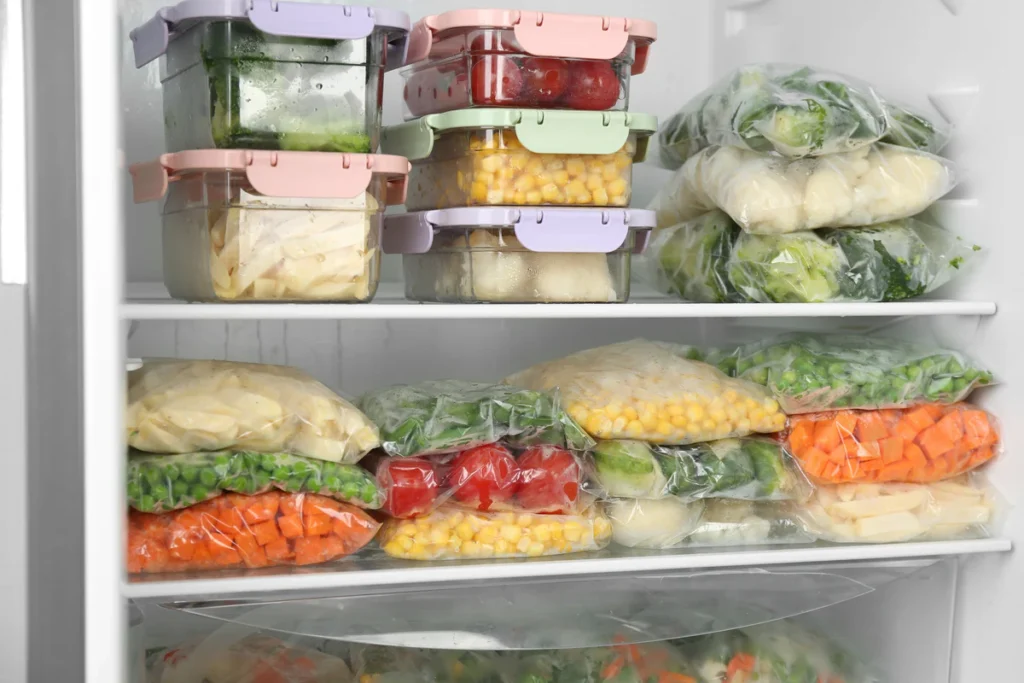
In the modern world of commerce, a vast array of products depends on precise temperature control to maintain their integrity. From the dairy and fresh produce that stock supermarket shelves to the life-saving vaccines in pharmaceutical supply chains, the journey from producer to consumer relies on an unbroken cold chain. At the heart of this process is Chilled Storage—specially designed environments that maintain temperatures typically between 0°C and 10°C, keeping products cold enough to preserve their quality without freezing them .
Chilled Storage is distinct from both ambient (room temperature) and frozen storage. Ambient storage works for shelf-stable dry goods but fails completely for perishables. Frozen storage, while excellent for long-term preservation, fundamentally changes the texture and cellular structure of products like fresh meat, dairy, and certain pharmaceuticals. Chilled Storage occupies the critical middle ground: cold enough to significantly slow bacterial growth and enzymatic activity, but not so cold that product quality is compromised . For fresh produce, dairy, flowers, and many pharmaceuticals, chilled storage is the only appropriate solution.
The Saudi Arabia cold chain market is experiencing significant growth, valued at USD 2.05 billion in 2024 and projected to reach USD 4.19 billion by 2030, growing at a CAGR of 12.7% . The chilled segment remains the most dominant temperature type, reflecting the high demand for fresh produce, dairy, and ready-to-eat foods that require strict temperature control .
Units has established itself as a top company in the storage sector, and their Chilled Storage solutions set the standard for quality and reliability. Their facilities feature industrial-grade refrigeration systems, continuous temperature monitoring, backup power generation, and secure access controls, all certified by the Saudi Food & Drug Authority (SFDA) . For businesses that depend on temperature-sensitive products, units.sa is the essential partner.
Chilled Storage in Riyadh: Serving the Capital’s Growing Demand for Fresh Products
Riyadh, the capital of Saudi Arabia and its administrative and financial center, is a city of rapidly growing population and expanding commercial activity. Supermarkets, restaurants, hotels, hospitals, and food manufacturers all require reliable access to fresh, chilled products. Chilled Storage in Riyadh has become essential infrastructure for meeting this demand, providing the temperature-controlled environments that keep perishables fresh from supplier to consumer.
Riyadh dominates the cold chain market, accounting for 55.3% of Saudi Arabia’s total licensed commercial warehouses—6,763 licensed commercial warehouses covering 10.7 million square meters of space . This concentration matters commercially because nationwide cold operators typically optimize inventory pooling, SKU breadth, and pharma service reliability through Riyadh-based nodes before feeding secondary cities . The city serves as the country’s logistical hub for food, pharmaceuticals, and temperature-controlled distribution.
The food service industry in Riyadh depends heavily on Chilled Storage in Riyadh. Restaurants need daily deliveries of fresh meat, poultry, seafood, dairy, and produce. Without adequate chilled storage at distribution centers, these products would spoil before reaching restaurant kitchens. The chilled temperature range (0°C to 15°C) holds a significant share of the Saudi cold chain market, reflecting strong demand for non-frozen perishable goods . Professional chilled storage facilities receive products from suppliers, maintain them at optimal temperatures, and distribute them to restaurants across the city.
The healthcare sector in Riyadh requires Chilled Storage in Riyadh for pharmaceuticals and biological materials. Hospitals and clinics store vaccines, insulin, blood products, and other temperature-sensitive medical supplies. The pharmaceutical cold chain share is estimated to rise from 12.8% in 2025 to 16.2% by 2030 . These products must be maintained within strict temperature ranges at all times. A power outage or equipment failure in a hospital’s own cold storage could destroy thousands of riyals worth of medications. Professional chilled storage facilities provide redundant cooling, backup power, and continuous monitoring as an additional layer of protection. Warehouses certified by the Saudi Food & Drug Authority (SFDA) ensure the highest standards of safety and compliance .
The food manufacturing sector in Riyadh depends on Chilled Storage in Riyadh for raw materials and finished products. A dairy manufacturer needs chilled storage for milk before processing and yogurt or cheese after processing. A juice producer needs chilled storage for fresh fruit and finished juice. Professional chilled storage facilities provide the space and conditions that food manufacturers require for efficient production and distribution. Advanced humidity and air quality control systems protect product integrity throughout the storage period .
Saudi Arabia is witnessing a logistics revolution shaped by digital transformation and a growing e-commerce market. The National Industrial Development and Logistics Program (NIDLP) continues to drive enhancements in the logistics sector, including cold chain logistics, with infrastructure upgrades and incentives for investment in logistics facilities . Units provides premier Chilled Storage in Riyadh with facilities strategically located for distribution across the capital. Their chilled storage zones maintain temperatures from 0°C to 10°C, adjustable to specific product requirements. Continuous monitoring systems provide real-time visibility and alert facility managers immediately if any deviation occurs . For food distributors, retailers, healthcare providers, and manufacturers needing Chilled Storage in Riyadh, units.sa delivers the reliability and quality that temperature-sensitive products demand.
Chilled Storage in Saudi Arabia: Supporting the Kingdom’s Food Security and Economic Growth
Saudi Arabia is undergoing historic economic transformation. Vision 2030 has prioritized food security, local manufacturing, healthcare quality, and tourism development—all of which depend on reliable cold chain infrastructure. Chilled Storage in Saudi Arabia has become essential for reducing food waste, supporting local farmers and manufacturers, enabling pharmaceutical distribution, and serving the growing hospitality sector. The Saudi Arabia cold chain market is projected to reach USD 4.19 billion by 2030, driven by strong demand for refrigerated storage and transportation .
The Saudi government has allocated substantial investments toward enhancing food security initiatives, including investments in cold chain infrastructure to reduce food waste, which currently stands at a significant portion of total food production . The National Food Security Strategy aims to improve logistics efficiency, ensuring that perishable goods are transported within optimal temperature ranges, thereby supporting the overall growth of the cold chain market.
The integration of IoT and AI technologies is transforming cold chain operations across the Kingdom. Real-time temperature monitoring and predictive maintenance capabilities are reducing product spoilage while enhancing supply chain visibility. Smart logistics solutions, including AI and machine learning, are revolutionizing cold chain management, enabling real-time monitoring and predictive analytics . For strategy teams, the implication is clear: network position, compliance depth, and service mix will shape returns more than simple fleet scale .
The private sector in Saudi Arabia is actively investing in cold chain infrastructure. Major logistics providers are expanding their cold storage capabilities across Riyadh, Jeddah, and Dammam, with temperature-controlled warehouses offering chiller and freezer storage with advanced racking systems and custom-built warehouse management systems . These developments support the growing demand for temperature-controlled logistics from the food and beverage, pharmaceutical, and retail sectors.
Saudi Arabia’s strategic location at the crossroads of Europe, Asia, and Africa positions it as a crucial logistics hub for temperature-controlled supply chains. The Kingdom’s logistics platform expansion includes numerous activated logistics centers and continued investment in large-format logistics assets in Jeddah and Riyadh . For strategy teams, the implication is clear: network position, compliance depth, and service mix will shape returns more than simple fleet scale.
Units is a recognized leader in Chilled Storage in Saudi Arabia, with facilities in key locations across the Kingdom. Their chilled storage solutions support food importers, local farmers, pharmaceutical distributors, and hospitality businesses. With fully integrated cooling systems, advanced humidity and air quality control, 24/7 surveillance for maximum security, and warehouses certified by the Saudi Food & Drug Authority, Units ensures the highest standards of quality and compliance . For any organization requiring temperature-controlled storage, units.sa provides the professional solutions that protect product quality and support business success.
Why Units Is the Top Company for Chilled Storage Solutions
Across Saudi Arabia—from Riyadh to Jeddah to Dammam—businesses that depend on temperature-sensitive products face a common challenge: finding chilled storage that is reliable, flexible, and professionally managed. Units has earned its status as a top company by delivering chilled storage solutions that meet the highest standards of quality, safety, and customer service.
Industrial-Grade Refrigeration: Units chilled storage facilities use commercial and industrial refrigeration systems designed for continuous operation. Unlike residential-grade equipment that would fail under constant use, these systems maintain precise temperatures reliably. Fully integrated cooling systems ensure stable temperatures, with redundant systems guaranteeing cooling continuity .
Continuous Temperature Monitoring: Every Units chilled storage zone is equipped with continuous temperature monitoring systems. Sensors report temperatures in real time to centralized dashboards. If any zone deviates from its setpoint, alarms trigger immediately, alerting facility managers to investigate and correct the issue . This monitoring provides documented temperature histories that satisfy regulatory requirements and provide customer confidence.
SFDA Certification and Strict Hygiene: Units warehouses are fully certified by the Saudi Food & Drug Authority (SFDA), meeting the strictest hygiene and safety protocols required for food, pharmaceutical, and cosmetic storage . This certification is a testament to Units’ commitment to quality and compliance, ensuring that your products are stored in a contamination-free environment.
Backup Power Systems: Power outages are a risk for any chilled storage facility. Units facilities are equipped with backup power generation systems that automatically engage when grid power fails. Cooling continues uninterrupted. For pharmaceutical and high-value food products, this backup capability is essential. Without it, a few hours of power loss could destroy an entire inventory worth millions of riyals.
Flexible Space Options and Smart Management: Units understands that different customers need different amounts of space. A restaurant may need a single pallet of chilled storage. A food importer may need an entire room. A pharmaceutical distributor may need segregated zones for different temperature requirements. Units offers flexible space options, from small lockers to large cold rooms, with terms that accommodate seasonal fluctuations and business growth . Clients can access their inventory anytime through a user-friendly online platform, empowering them to focus on growth .
24/7 Security and Surveillance: Units facilities are equipped with 24/7 CCTV surveillance covering all access points, corridors, and individual storage areas. Entry requires individual access codes or key cards, and all entries and exits are electronically logged. This comprehensive security system ensures that your valuable inventory is protected from theft and unauthorized access at all times .
For any business requiring Chilled Storage, Chilled Storage in Riyadh, or Chilled Storage in Saudi Arabia, the choice is clear. Units delivers the reliability, flexibility, and professionalism that temperature-sensitive products demand. Visit units.sa to explore available chilled storage options, request pricing, and schedule a facility tour. Your products deserve the protection that only professional chilled storage can provide.
Frequently Asked Questions (FAQs)
Q1: What temperature range is available in Units chilled storage?
Units chilled storage zones are adjustable typically between 0°C and 10°C (32°F to 50°F). The chilled segment is the most dominant temperature type in the Saudi cold chain market, reflecting high demand for fresh produce, dairy, and ready-to-eat foods . Different zones can be set to different temperatures within this range, allowing simultaneous storage of products with different requirements. For products needing temperatures outside this range—such as frozen products needing -18°C to -24°C—Units offers specialized frozen storage zones .
Q2: Is Units chilled storage suitable for pharmaceutical products and food items?
Yes. Units facilities serving the pharmaceutical and food sectors maintain the highest standards of compliance, including validated temperature mapping, continuous monitoring, documented temperature histories, redundant cooling, backup power, and secure access control. Units warehouses are fully certified by the Saudi Food & Drug Authority (SFDA), ensuring a contamination-free environment ideal for food, cosmetics, and pharmaceutical storage . The pharmaceutical cold chain share is estimated to rise to 16.2% by 2030, reflecting growing demand for GDP-compliant storage .
Q3: How does Units monitor temperature in chilled storage zones?
Units uses continuous electronic temperature monitoring systems with sensors placed strategically throughout each chilled zone. Sensors report readings in real time to centralized dashboards. If any reading deviates from the setpoint range, automated alarms notify facility managers immediately . Temperature records are retained and can be provided to customers as documentation of proper storage conditions. This monitoring is available 24/7, ensuring that any potential issue is identified and addressed before product quality is compromised.
Q4: Can I access my chilled storage unit outside of normal business hours?
Access hours for Units facilities are from Saturday to Thursday, 7 AM to 5 PM. Customers can access their inventory during these hours and manage it anytime through the user-friendly online platform . Because chilled storage zones require stable temperatures, frequent door openings are discouraged as they allow cold air to escape and warm air to enter. However, when access is necessary during business hours, the Units team coordinates to minimize temperature impact.
Q5: What types of products are prohibited from storage in Units facilities?
Any illegal item under Saudi Arabian law is prohibited from storage in Units facilities. This includes, but is not limited to, weapons, hazardous materials, and counterfeit goods . Units maintains strict compliance with all local regulations to ensure the safety and legality of all stored goods. For all other temperature-sensitive products—from dairy and meat to pharmaceuticals and cosmetics—Units provides professional, secure, and compliant chilled storage solutions.